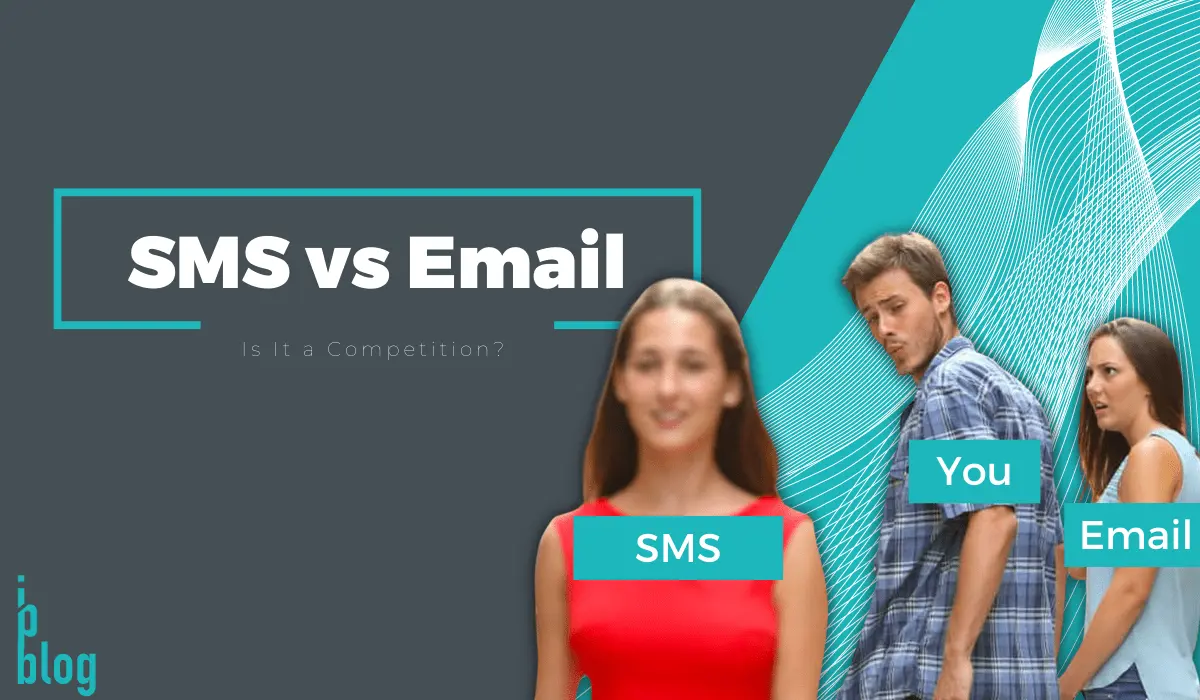
SMS and email solve different problems. The right combination considers how much information the recipient needs, how quickly it needs to arrive and what the person expects in each channel.
When SMS fits
SMS suits concise, timely messages and one clear action. It should be used selectively because the message reaches the recipient directly and can be more interruptive than many other formats.
When email fits
Email provides room for detail, visual structure and information the recipient may need to revisit. It is often more suitable for newsletters, documentation and longer explanations.
Build one customer journey
Let email provide context and SMS remind someone of a relevant next step, or use SMS for a time-critical change after the main information has been sent. Coordinate frequency, consent and opt-out so the channels do not create duplicate noise.
Example of a coordinated journey
An email can explain an event and contain the programme. An SMS near the date can remind people of the time and link directly to practical information. If a material change occurs, another SMS may be justified by urgency. Each contact then has a distinct and understandable role.
Coordinate opt-outs
Recipients should not need to stop the same marketing in several places. Make sure opt-outs and preferences are respected across relevant lists and campaigns. Operational messages still need to be assessed for their own purpose, but must not become a hidden route around a marketing choice.
A relevant next step
Choose the right working method
Compare the portal, API and tools before deciding how SMS should fit in.