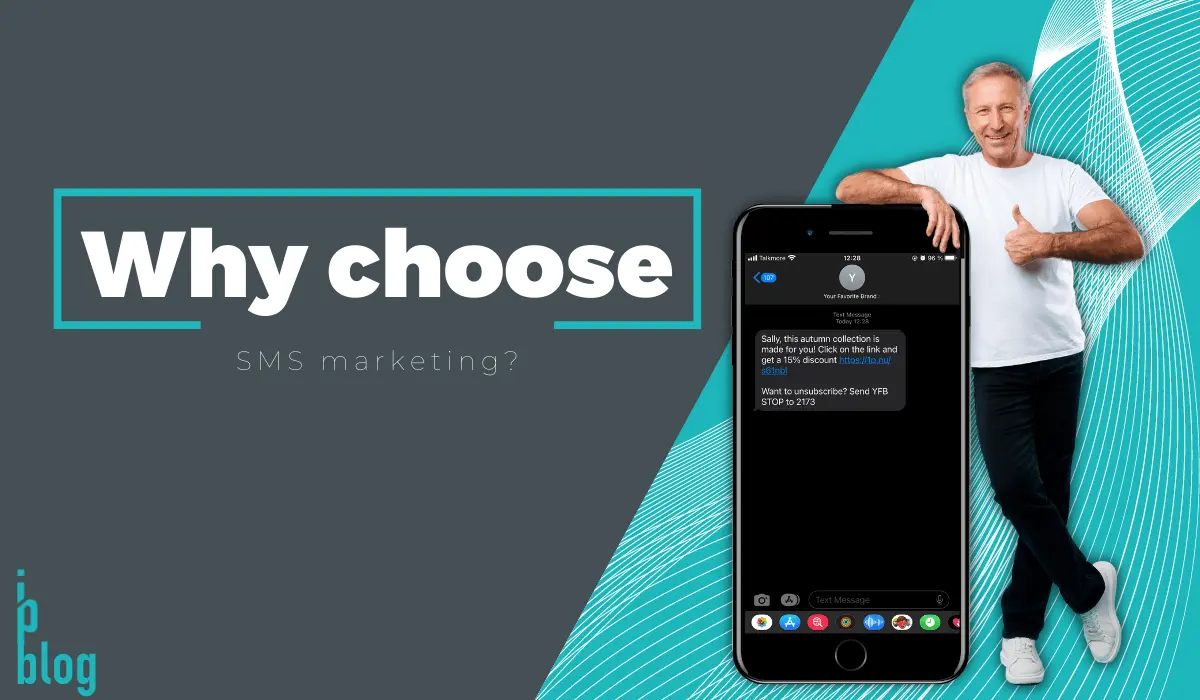
SMS is a direct channel suited to messages that are concise, timely and expected. It works best as part of a wider customer journey rather than as a shortcut to attention.
Start with the situation, not the channel
First ask what the recipient needs to know or do. A time-limited benefit, practical reminder or important change may suit SMS. Detailed explanations and content that requires time are often better placed on a website or in email.
Set a clear expectation
Recipients should know who is sending, what kind of content they will receive and how to stop further marketing. Consent is not merely a checkbox; it creates an expectation that your content and frequency need to meet.
Measure what helps you improve
Use a clear action and a relevant landing page. Links can use UTM parameters and tracking where recipients have been informed and you have a valid lawful basis. Look for patterns that improve the next campaign rather than chasing one universal result.
When should you choose another channel?
Choose email or a website when recipients need a longer explanation, several options or information they may need to revisit. Use SMS when timing matters and the message can be understood quickly. If a booking, order or another system event triggers the message, an API flow may be more precise than a manual campaign.
How Intellipush can support the work
The portal lets you organise recipients, check the text, schedule delivery and use short links where tracking is necessary and lawful. The API suits agreed automated messages from your own systems. Begin with one clear purpose, test with a small group and expand only when the workflow performs as intended.
A relevant next step
Make the next campaign more relevant
Plan recipients, wording, timing and follow-up as one coherent journey.