
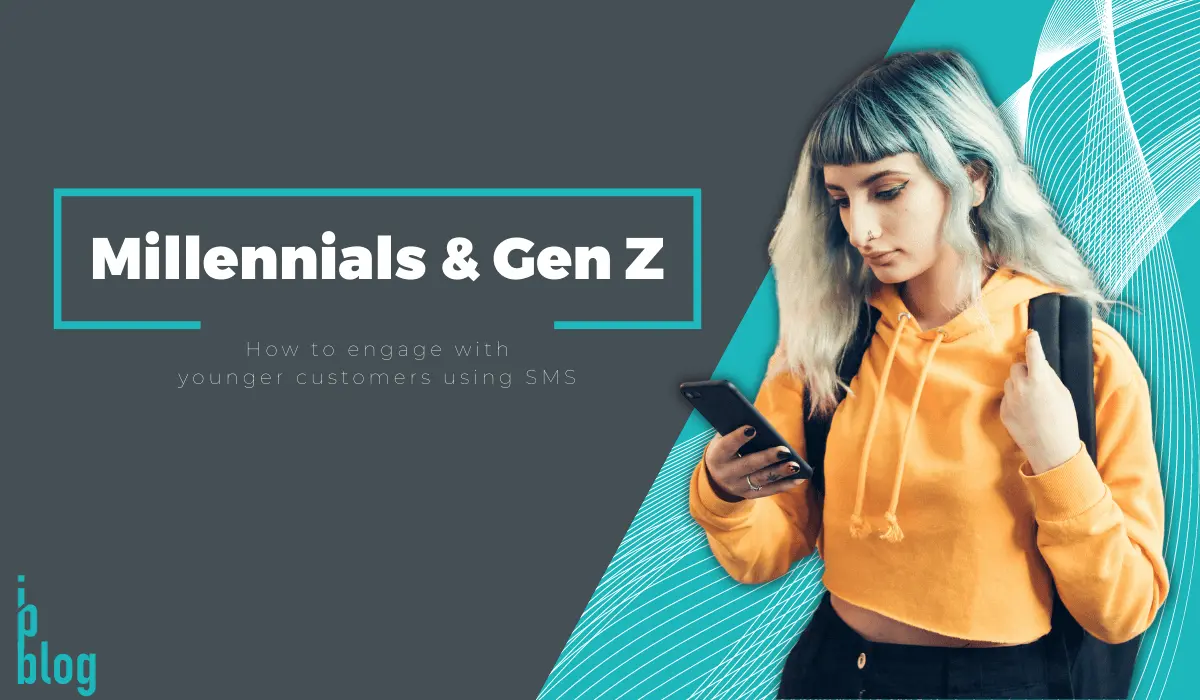
Age alone says little about what someone wants to receive. Good communication with millennials, Generation Z and any other audience begins with consent, expressed interests and the specific situation.
Do not turn age into a personality
Use generational labels carefully and avoid assumptions about language, finances or values. Actions and selected preferences often provide a better basis than a broad age group.
Make the message useful immediately
Explain what has happened, what the recipient receives or what the next step is. Natural language and a good mobile page matter more than copying slang or trends that do not fit the sender.
Give people control
Allow recipients to choose relevant topics or frequency where practical. Make opt-out easy, and treat feedback and opt-outs as signals that content or expectations need adjusting.
Write inclusively and concretely
Avoid language, examples or offers that assume everyone in an age group shares the same finances, circumstances or digital ability. Explain value and conditions directly. This also improves the message for recipients who do not fit a simplified audience description.
Test with people from the audience
Ask actual or representative users to explain what they think the message means, who sent it and what happens after the action. Listen particularly for uncertainty around price, privacy and opt-out. Small language tests provide better insight than following an arbitrary trend.
A relevant next step
Make the next campaign more relevant
Plan recipients, wording, timing and follow-up as one coherent journey.